Source Eco Friendly Tinplate Tin Box for Food, Gifts, and Cosmetics
Find and compare 30 eco friendly tinplate tin box options for food storage, gift packaging, and cosmetics. These rectangular containers feature custom printing, various sizes, and certifications like ISO and CE to meet your sourcing needs.
Key considerations
Products List




Comprehensive Sourcing Guide
Eco Friendly Tinplate Tin Box Sourcing Guide
The global demand for sustainable packaging has elevated the eco-friendly tinplate tin box from a niche option to a primary choice for brands prioritizing circular economy principles. These containers offer a unique combination of durability and recyclability, serving as a robust alternative to single-use plastics across diverse sectors including food, cosmetics, and luxury gifts. Buyers seeking to align their supply chain with environmental goals must understand that the "eco-friendly" designation relies heavily on the material's infinite recyclability and the specific manufacturing processes used to ensure non-toxic, food-safe surfaces.
Procuring these items requires a shift from viewing packaging as a disposable commodity to treating it as a long-term asset that enhances brand value. The versatility of tinplate allows for complex customization, including full-color CMYK printing, silk screen, and digital printing techniques, which enables high-end branding without compromising the structural integrity of the box. However, the buyer must navigate a market where "eco-friendly" claims vary in depth, necessitating a rigorous verification of material composition and surface treatments to ensure the product meets both regulatory standards and consumer expectations for sustainability.
Product Scope and Observed Listing Signals
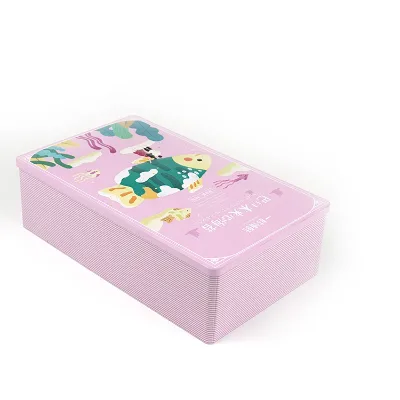
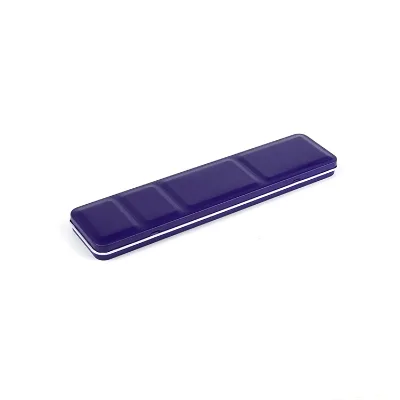
The observed market for tinplate boxes reveals a wide spectrum of applications, ranging from food storage and jewelry presentation to electronics and toy packaging. Listings frequently highlight the material's ability to serve as a multi-use storage solution, with specific models designed for rectangular or oval shapes that accommodate various product dimensions. The presence of features like sponge inserts and hinge mechanisms indicates that these boxes are engineered not just for containment, but for the premium unboxing experience required by luxury and gift markets.
Buyers should note that product listings often display significant variation in weight and dimensions, with some units weighing between 1 and 1.5 kg while others are designed to be lightweight at under 0.5 kg. This variance suggests that the "middle" size category is a common standard, yet custom sizing is frequently available to meet specific logistical or aesthetic requirements. The surface handling processes observed, such as gravure printing, varnishing, and offset printing, directly influence the final appearance and tactile quality, making it essential for buyers to request physical samples to verify that the visual finish matches the intended brand identity.
Technical Specifications to Verify
When evaluating the technical integrity of a tinplate box, the thickness of the metal is a critical parameter that dictates durability and cost. Verified specifications in the current market range from 0.23mm to 0.38mm, a range that balances structural rigidity with material efficiency. Buyers must confirm that the selected thickness aligns with the intended load-bearing requirements, particularly for heavy food items or dense cosmetic products, as thinner gauges may compromise the box's ability to protect contents during shipping and storage.
The printing and surface treatment capabilities are equally vital for ensuring product safety and aesthetic appeal. While gravure and offset printing are common for high-volume runs, the availability of silk screen printing and gold stamping offers opportunities for premium finishes. It is imperative to verify that the surface handling process, whether it involves varnishing or specific printing techniques, does not introduce harmful chemicals. The material itself is consistently identified as tinplate, but the specific alloy composition and the quality of the tin coating must be confirmed to ensure resistance to corrosion and long-term stability.
Compliance and Safety Documentation
Safety compliance is non-negotiable for tinplate boxes intended for food contact, requiring verification of specific testing standards such as FDA, LFGB, and BPA-free certifications. The observed data indicates that many suppliers provide documentation confirming their products meet these rigorous safety thresholds, ensuring that the packaging does not leach harmful substances into food or cosmetics. Buyers must explicitly request test reports for En71-3 and other relevant standards, especially when the packaging is intended for children's toys or health care products, to mitigate liability and ensure consumer trust.
Beyond food safety, environmental certifications play a pivotal role in validating the "eco-friendly" claims associated with these products. The presence of ISO and CE certifications is common, but for a comprehensive sustainability profile, buyers should look for additional credentials such as BSCI, Sedex, and BRC. These certifications indicate that the manufacturing facility adheres to strict social responsibility and quality management systems, which is crucial for brands aiming to maintain ethical supply chains. The absence of these specific certifications should trigger a deeper audit of the supplier's production practices rather than an assumption of compliance.
Cost Drivers and Commercial Terms
The commercial landscape for tinplate packaging is heavily influenced by the Minimum Order Quantity (MOQ), which can range significantly from 6,000 pieces per design to much higher volumes depending on the supplier's capacity. This high entry threshold often necessitates careful inventory planning, as the cost per unit typically decreases with volume but requires a substantial upfront commitment. Buyers must evaluate whether their projected sales volume justifies the initial investment or if they should negotiate for smaller trial runs, understanding that custom designs and specific printing requirements may carry additional setup costs.
Pricing structures are further complicated by the customization options available, such as logo printing, specific dimensions, and unique surface finishes. While some listings indicate a broad price range, the final cost is determined by the complexity of the design, the thickness of the tinplate, and the specific printing method employed. Shipping terms also play a significant role, with options ranging from individual polybag packaging to bulk export cartons. Buyers should clarify whether the quoted price includes the cost of custom tooling and whether the supplier offers flexible payment terms that align with their cash flow cycles.
Supplier Qualification and Quality Control
Selecting a qualified supplier requires a thorough assessment of their manufacturing location and operational history, with many reputable producers based in Guangdong and Dong Guan, China. These regions are known for their established infrastructure in metal packaging, yet buyers must verify the specific factory's capacity to handle custom orders and maintain consistent quality. The presence of certifications like ISO and BRC is a strong indicator of a supplier's commitment to quality management, but on-site audits or third-party inspections are often necessary to validate these claims and ensure that the production line meets the buyer's specific standards.
Quality control processes must be clearly defined before production begins, focusing on critical checkpoints such as material thickness, print registration, and structural integrity. Suppliers should demonstrate a robust system for testing the final product against the agreed-upon specifications, including checks for surface defects, hinge functionality, and the accuracy of the logo printing. Buyers should insist on pre-shipment inspections that verify the packaging meets the required standards for food safety and durability, ensuring that the final delivery aligns with the expectations set during the sourcing phase.
Long-Term Procurement Checks
Sustainable procurement is not a one-time transaction but a continuous process of monitoring and improvement. Buyers should establish a long-term relationship with suppliers who demonstrate a commitment to innovation in eco-friendly materials and processes, ensuring that the packaging remains competitive and compliant with evolving environmental regulations. Regular reviews of the supplier's performance, including their ability to meet lead times and maintain quality consistency, are essential for building a resilient supply chain that can adapt to market changes.
As the market for sustainable packaging evolves, buyers must stay informed about new standards and technologies that could impact their product requirements. This includes keeping abreast of changes in food safety regulations and emerging recycling standards that may affect the disposal and recovery of tinplate boxes. By maintaining open communication with suppliers and regularly updating procurement strategies, buyers can ensure that their use of eco-friendly tinplate boxes continues to deliver value, both in terms of brand reputation and operational efficiency.
FAQs
Can eco friendly tinplate tin boxes be customized with logos?
Yes, customization with logos is available for these tin boxes. The products support various printing methods including gravure, silk screen, digital printing, and gold stamping. Buyers can choose between options with or without logo printing depending on their specific branding requirements and design preferences.
What certifications do these tinplate boxes hold?
These tinplate boxes hold ISO, CE, BSCI, Sedex, and Brc certifications. They are also tested against FDA, LFGB, En71-3, and BPA standards. This ensures the packaging is safe for food contact and meets international quality and ethical manufacturing standards for global sourcing needs.
What is the typical MOQ for these tin boxes?
The typical MOQ is 6000 pieces per design. However, observed ranges vary from 1 to 500,000 pieces depending on the supplier and specific product model. Buyers should confirm the exact minimum order quantity with the manufacturer before placing an order for custom designs.
Are these tin boxes suitable for food storage?
Yes, these tin boxes are suitable for food storage as they are labeled as 100% food safe and eco-friendly. They are designed for multifunctional use including food, jewelry, electronics, and gifts. The tinplate material ensures durability and protection for various product types during storage and transport.
What are the common specifications for these tin boxes?
Common specifications include rectangular shapes with thickness ranging from 0.23 to 0.38mm. Models like JYB-180x90x175mm and JYB-173x110x94mm are available. Weights vary from under 0.5kg to 1-1.5kg. Custom sizes are also offered to meet specific packaging requirements for different industries.